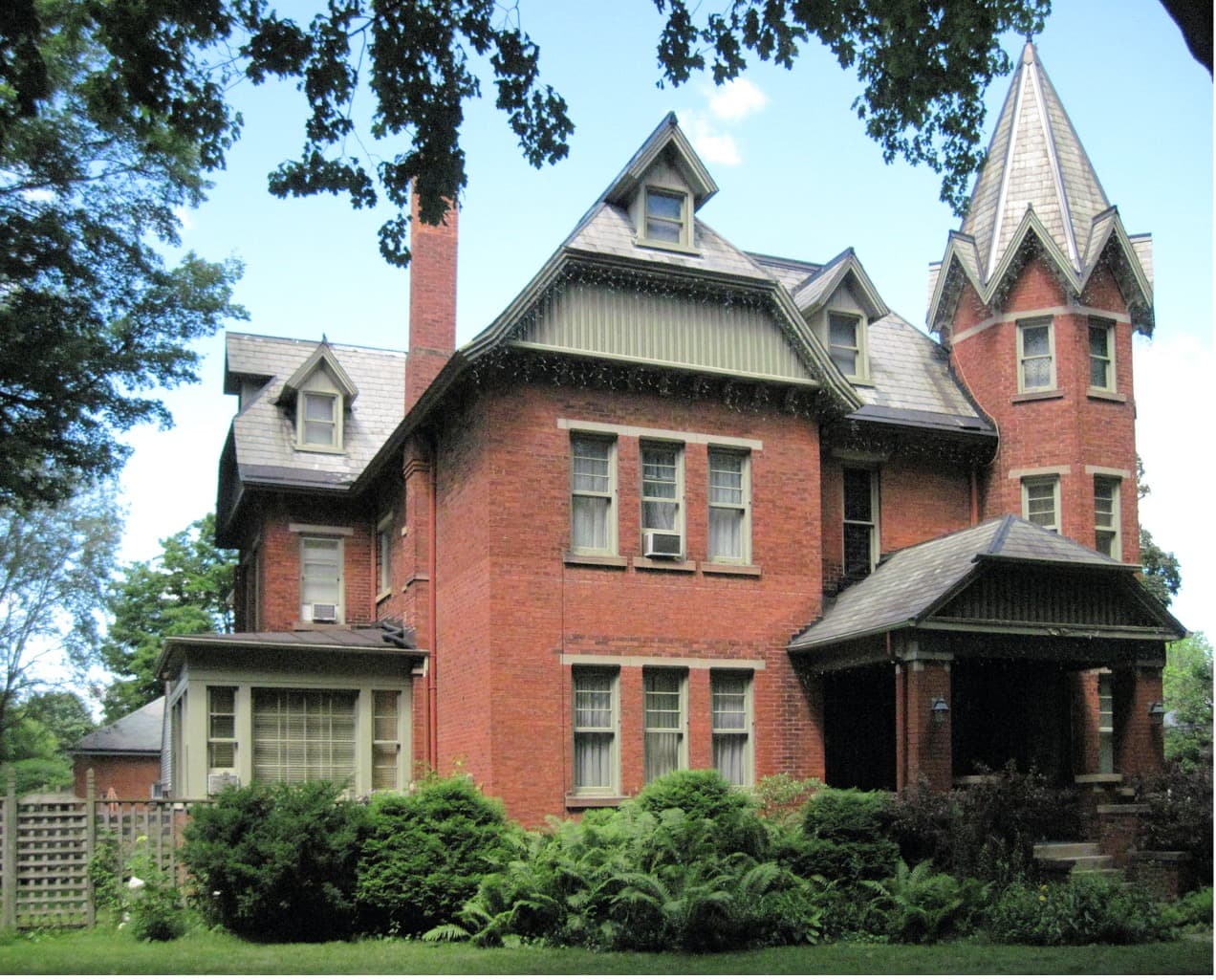
I'm Jay Friesen, a real estate agent in Woodstock, Ontario, and I'll be honest with you: century homes are some of my favorite properties to work with. The craftsmanship in the brickwork, the tall windows, the original wood trim, the way these homes anchor our older neighbourhoods… there's something genuinely special about them.
But here's what really matters: these homes have already proven themselves.
A house that's been standing for over 100 years, weathering every Woodstock winter, serving generations of families, has passed a test that new construction simply hasn't taken yet. That solid brick construction, those old-growth lumber joists, the thick plaster walls - this was quality building that's stood the test of time.
This guide is for anyone considering a century home in Woodstock, particularly in neighbourhoods like Old North and the historic streets around downtown. My goal is to help you understand what makes these homes great, what to look for, and how to buy one confidently.
What Actually Counts as a "Century Home"?
In everyday conversation, a century home is simply a house that's roughly 100 years old or more. That's different from heritage designation, which is a legal status under the Ontario Heritage Act.
Here's what you need to understand:
Old but not designated: These homes were typically built between 1900 and 1925. They're subject to normal zoning and building rules, and you can usually renovate as you wish with proper permits.
Listed but not designated: These properties appear on the municipal heritage register as potentially significant. Day-to-day renovations are usually flexible, but check with the City first, especially for major changes.
Designated (Part IV or Part V): These properties are protected by formal bylaw. Exterior changes, and sometimes interior ones, may require heritage permits. Part V designations protect entire Heritage Conservation Districts, covering whole streets or neighbourhoods rather than individual homes.
Your agent should check heritage status before you make an offer. This affects what you can change and may open up access to grants or tax relief programs for conservation work.
What Makes Century Homes in Woodstock Special
They're built to last. The solid brick construction, old-growth lumber framing, and quality materials used in early 1900s construction are expensive to replicate today. These homes have already weathered a century of use and Ontario winters. That's a proven track record.
The locations are unbeatable. Many century homes in Woodstock are within walking distance of downtown, parks, schools, and local amenities. The mature trees and established streetscapes, particularly in areas like Old North, create a sense of place that takes generations to develop.
The architecture is distinctive. Red-brick two-storeys with gabled roofs, deep front porches, stained glass windows, original wood trim, and high ceilings give these homes character that newer subdivisions simply can't match.
They're surprisingly transparent. Century homes show you exactly what you're dealing with. The systems are visible. The structure is exposed in the basement. A good inspector can tell you clearly what needs attention.
Smart Due Diligence: Getting It Right
I've helped many buyers successfully purchase century homes in Woodstock. The key is knowing what to look for and building the right team.
Here's what I recommend:
- A general home inspection with someone experienced in older construction
- Specialist inspections as needed - licensed electrician, plumber, or mason
- Rough quotes for any upgrades before you remove conditions
This isn't about being paranoid. It's about buying confidently with a clear plan. The inspection costs are far less than discovering issues after closing, and they give you solid information for price negotiations.
What to Actually Pay Attention To
Not all century home features are created equal. Some things matter for insurance and financing. Others are just regular maintenance. Here's how to think about them, starting with what actually affects your ability to buy and insure the property.
Electrical Systems: The Insurance Priority
This is the main thing insurers care about. Many Ontario century homes still have some knob and tube wiring - an early electrical system that uses ceramic knobs and tubes to route conductors through framing.
The Electrical Safety Authority notes that knob and tube is still legal in Ontario, but many insurers consider it higher risk. Some won't insure homes with any knob and tube, while others may insure only if an electrician's report is positive. Replacement typically costs between $5,000 and $15,000 depending on the home's size.
Here's the practical reality: I've helped many buyers successfully purchase homes with knob and tube. You just need to know how much exists, get a quote for upgrading, and build that into your budget. Many buyers do the electrical work within the first year of ownership. Once it's done, this concern disappears permanently and you have modern, safe electrical throughout the house.
What to look for: In unfinished basements or attics, look for ceramic knobs on joists. Fuse panels or very small breaker panels can signal older wiring. Two-prong outlets suggest older circuits.
Plumbing: Usually Straightforward to Address
The second insurance consideration is plumbing. Galvanized steel pipes were used in homes built before the late 1960s and can corrode internally over time, causing lower water pressure.
The practical reality: This is usually straightforward to address. A few sections of galvanized pipe isn't a concern. A whole house on galvanized just means planning for eventual replacement, which can often be phased over time. It's regular plumbing work, not a specialized mystery.
How to spot it: In basements, look for dull grey steel pipes with threaded fittings. Copper or PEX pipes indicate updates. Check water pressure at taps and showers.
Heating Systems: Often Better Than You'd Think
You'll see everything from original cast-iron radiators to more modern forced-air furnaces in Woodstock's older homes.
Here's what many people don't realize: those old radiators are often incredibly efficient and reliable. They provide even, comfortable heat and can last indefinitely with basic maintenance. Yes, they complicate adding central air, but that's a trade-off some buyers happily make for the comfort and character.
For any heating system, your inspector should check age, condition, and efficiency. Even very old systems that are well-maintained can work beautifully.
Roofing and Insulation: Easy Upgrades
Older homes often have under-insulated attics and aging roofing. But here's the thing: roofing and insulation are straightforward upgrades that you can see and budget for clearly.
You can stand in a century home's attic and see exactly what you're working with. Many buyers add insulation over time and see immediate benefits in comfort and energy costs.
What to look for: Ice dams in winter, old or damaged shingles, insufficient attic insulation. All visible, all manageable.
Foundations: Usually Obvious If There's a Problem
Many local century homes sit on stone or rubble foundations. I'm going to be straight with you: even a mediocre home inspector will spot serious foundation problems if they exist.
Significant bowing, large active cracks, or chronic water intrusion are all visible issues. A little dampness in a century-old stone basement is normal and manageable. Serious structural movement isn't subtle.
When foundations need attention, it's typically repointing - filling in mortar between stones with compatible lime-based mortar. This is maintenance work that local masons handle regularly, not a structural crisis.
What to look for: Missing mortar, bulging walls, standing water, or heavy musty odours. Your inspector will flag anything serious.
Property Lines, Surveys, and Zoning
Here's something buyers sometimes overlook: understanding exactly where your property lines are and what zoning allows.
In Woodstock's established neighbourhoods, garages, fences, and additions were often built decades ago under different rules. Before you dream about adding a garden suite or expanding, it's worth understanding what's actually possible.
Smart steps: Ask the seller for any existing survey. Check the property's zoning with the City's online maps. If you're planning significant additions or a secondary unit, talk to a planner during your condition period.
Many century homes have "legal non-conforming" status, meaning they're closer to lot lines or taller than current zoning allows. You can keep the existing building, but major expansions might require variances. Better to know upfront.
Cosmetic Features: What Makes These Homes Beautiful
Now let's talk about the features that give century homes their character - and yes, they need maintenance, but they're not reasons to avoid an otherwise great house.
Brickwork and repointing: Over time, mortar between bricks erodes and needs replacement. This is regular maintenance, not a crisis. Woodstock has excellent masons who specialize in this work using appropriate lime-based mortars that match the original construction. Yes, full-elevation repointing can cost five figures, but it's work you can plan for over several years. I wouldn't hesitate to buy a home that needed some repointing - it's just part of owning these beautiful brick homes.
Wood trim and gables: The decorative wood elements (bargeboards, soffits, brackets, window trim) can need painting and occasional repairs. This is cosmetic work that maintains the character of the home. It's not an insurance issue or a financing issue - it's regular homeownership.
Windows and doors: Many century homes still have original wood windows, which can be beautiful and surprisingly efficient when properly maintained. You'll need to decide whether to restore them or eventually replace them, but either option works. This is a preference question, not a crisis.
Lead and Asbestos: Simple Precautions
Older homes may have lead paint and asbestos in some materials (old floor tiles, vermiculite insulation, pipe wrap). The key is simple: don't disturb these materials without proper precautions.
If you're renovating, assume older painted surfaces may contain lead and manage dust carefully. Test suspicious materials before removal. Use qualified contractors for abatement if needed. These are standard precautions for older homes, not insurmountable obstacles.
Insurance and Financing: What Actually Matters
Here's what I've learned helping buyers through this process: the electrical and plumbing systems are what insurers really care about.
Banks require property insurance, and some insurers are cautious about homes with extensive knob and tube wiring or galvanized plumbing. But this doesn't mean these homes are uninsurable - it means you need a plan.
My Approach With Clients
1. We identify potential issues early during showings (signs of old wiring or plumbing)
2. During the condition period, we get facts - inspection reports, electrician's assessments, quotes for any needed work
3. We talk to insurance brokers to understand whether they'll insure as-is or with a timeline for upgrades
4. We use this information in price negotiations or to plan your first-year upgrades
I've successfully helped buyers navigate these situations many times. It's about being informed and having a plan, not about avoiding these homes entirely.
Heritage Designation: Often an Advantage
Woodstock has a heritage advisory committee, dozens of designated heritage properties, and many more with clear historical character, especially near downtown and Old North.
If your home is heritage-designated: You may need permits for significant exterior changes, but you're also a steward of Woodstock's architectural history. Some municipalities offer grants or tax relief for approved conservation work. Many buyers see this as adding prestige and long-term value.
If it's listed but not designated: You typically have flexibility for renovations while still enjoying the character that makes these properties distinctive.
If it's just old: No special legal controls, just the practical considerations we've discussed.
How to Buy a Century Home Successfully
Step 1: Build the right team. Get mortgage pre-approval, work with a realtor who knows these homes (that's where I come in), find an inspector experienced with older construction, and have a shortlist of local electricians, plumbers, and masons for quotes.
Step 2: View properties with informed eyes. As we tour homes together, I'll quietly note the important stuff - signs of the electrical and plumbing systems, foundation condition, roof age, overall maintenance. We're not trying to inspect it ourselves, just deciding if it's worth deeper investigation.
Step 3: Make smart offers with conditions. I strongly favor inspection conditions, financing conditions, and sometimes insurance conditions on century homes. This gives you leverage to renegotiate if significant issues appear, or the confidence to move forward when everything checks out.
Step 4: Get the facts during your condition period. This is when we bring in inspectors, get specialist opinions if needed, collect quotes, and talk to insurance brokers. Now you know exactly what you're buying and can make an informed decision.
Step 5: Close with confidence or renegotiate. Depending on what we find, we might ask for a price reduction, request specific upgrades before closing, or remove conditions knowing you have a clear plan for the property.
Common Questions About Century Homes
Are century homes more expensive to insure?
Sometimes, depending on the systems. Homes with updated electrical and plumbing usually insure normally. Homes with extensive knob and tube or galvanized plumbing may face higher premiums or require upgrade timelines.
Should I avoid homes with knob and tube wiring?
Not necessarily. I've helped many buyers successfully purchase these homes with a plan to upgrade the electrical. Once it's done, you have modern, safe wiring throughout and the concern disappears permanently.
Are stone foundations a deal-breaker?
No. Many stone foundations are stable and just need periodic repointing. Even basic inspectors can spot serious structural movement. Most century home foundations are doing exactly what they've done for 100 years - holding up the house just fine.
What about all the maintenance?
All homes need maintenance. With a century home, you can see what you're dealing with upfront. The systems are visible. The structure is exposed. You can budget and plan accordingly instead of getting surprised years later.
Why I Love Selling Century Homes
After years of working with these properties, here's what I've learned: century homes in Woodstock offer something that new construction simply can't match.
The quality of construction - solid brick, old-growth lumber, thick plaster walls - is expensive to replicate today. The locations in walkable, established neighbourhoods with mature trees can't be recreated overnight. The character and architectural details give these homes a personality that makes them truly special.
Yes, they require informed buying. Yes, you need to understand the systems and plan appropriately. The difference is that with a century home, you're buying something with a proven track record. It's been standing for 100+ years. It's weathered every test. And when you buy with your eyes open and the right team around you, you're getting a home with quality, character, and location that's genuinely hard to find.
If you're considering a century home in Woodstock and want straight talk about what to look for, how to interpret inspection reports, or help navigating insurance and financing, I'd be happy to help. I've successfully guided many buyers through this process, and I genuinely love these homes.
Whether you're already eyeing a specific property or just starting to explore the idea, reach out and let's talk about what owning a century home in Woodstock would really look like for you.
Considering a Century Home?
Get expert guidance on inspections, heritage status, insurance requirements, and making the right offer on Woodstock's historic properties.

About Jay Friesen
Jay Friesen is a REALTOR® with Hewitt Jancsar Realty Ltd., Brokerage, serving Woodstock, Tillsonburg, Ingersoll, and Oxford County. With 40 years as an Oxford County resident and 24 years of leadership experience at Toyota, Jay brings unmatched local knowledge and strategic negotiation skills to every transaction.
Learn more about Jay